
Why Private Adoption Spaces Matter To Me
By Sudha Hurley-Heil 
My childhood best friend was also adopted. Our stories could not have been more different.
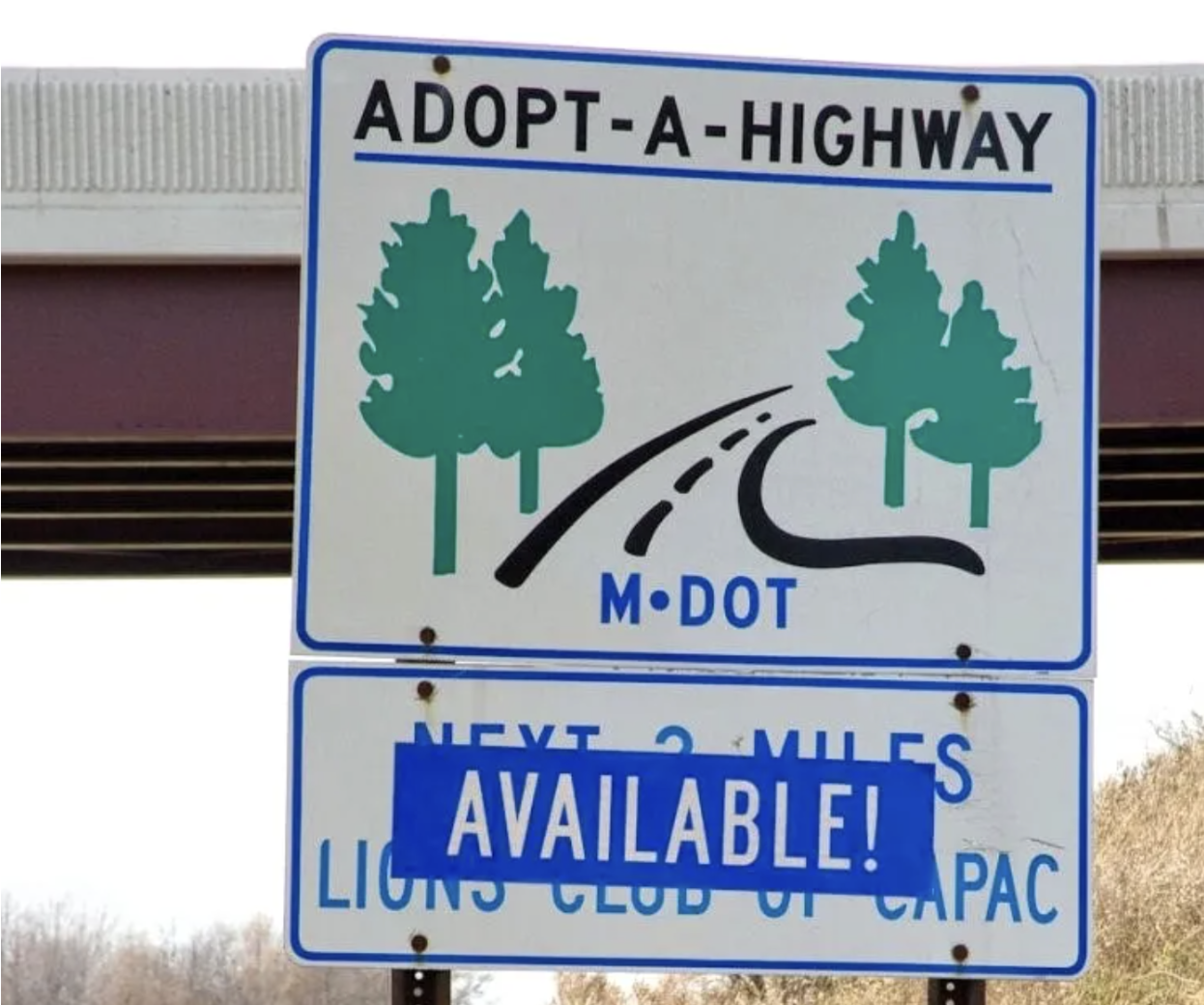
I am a transracial and transnational adopted person with no knowledge of where in my birth country I’m from. She is a domestically adopted person, white, like her parents, and had information about her birth mother. Even with these differences there were always moments where something would click between us that didn’t require an explanation like it would with anyone else, or even my parents. For example, we could be driving somewhere and pass a highway sign that said “Adopt-a-Highway,” and we would look at one another, knowingly. It was a mutual understanding that we were both internally doing the largest eye roll without muttering a word.
My moms worked hard to make sure our home was somewhere I could safely speak about adoption, and they worked twice as hard to make sure I had spaces outside of our home where I could be around other adoptees and see parts of my experience reflected back at me. One of those spaces was a camp for Indian-American and Nepalese-American adoptees where I could yell “Mom!” and have two white women respond to me without any of my peers batting an eye.
Those opportunities mattered.
I didn't have to explain why my family looked different from me. I didn't have to explain what it was like to be a person of color with two white parents. I didn't have to explain why certain parts of my story felt different from the stories of the people around me.
I could just be. And even though my parents never made me feel responsible for their feelings, I instinctively always thought about them.
Will I hurt my parents' feelings and they’ll get defensive?
Will I sound ungrateful?
Will I have to reassure them after I share something difficult?
Sometimes an adoptee needs to explore something without also having to think about how the person they love is receiving it.
Private spaces where adoptees can be with other adoptees creates room for that. This is what happened for me with the Adoptee Mentoring Society. I could explore a thought without having to explain it. I could ask a question without having to know whether I actually needed a fully thought out answer. There is tremendous relief in talking to someone who simply gets it.
And sometimes, being understood by another adoptee can make space for something else: realizing that you don't have to have one neat, uncomplicated relationship with your adoption.
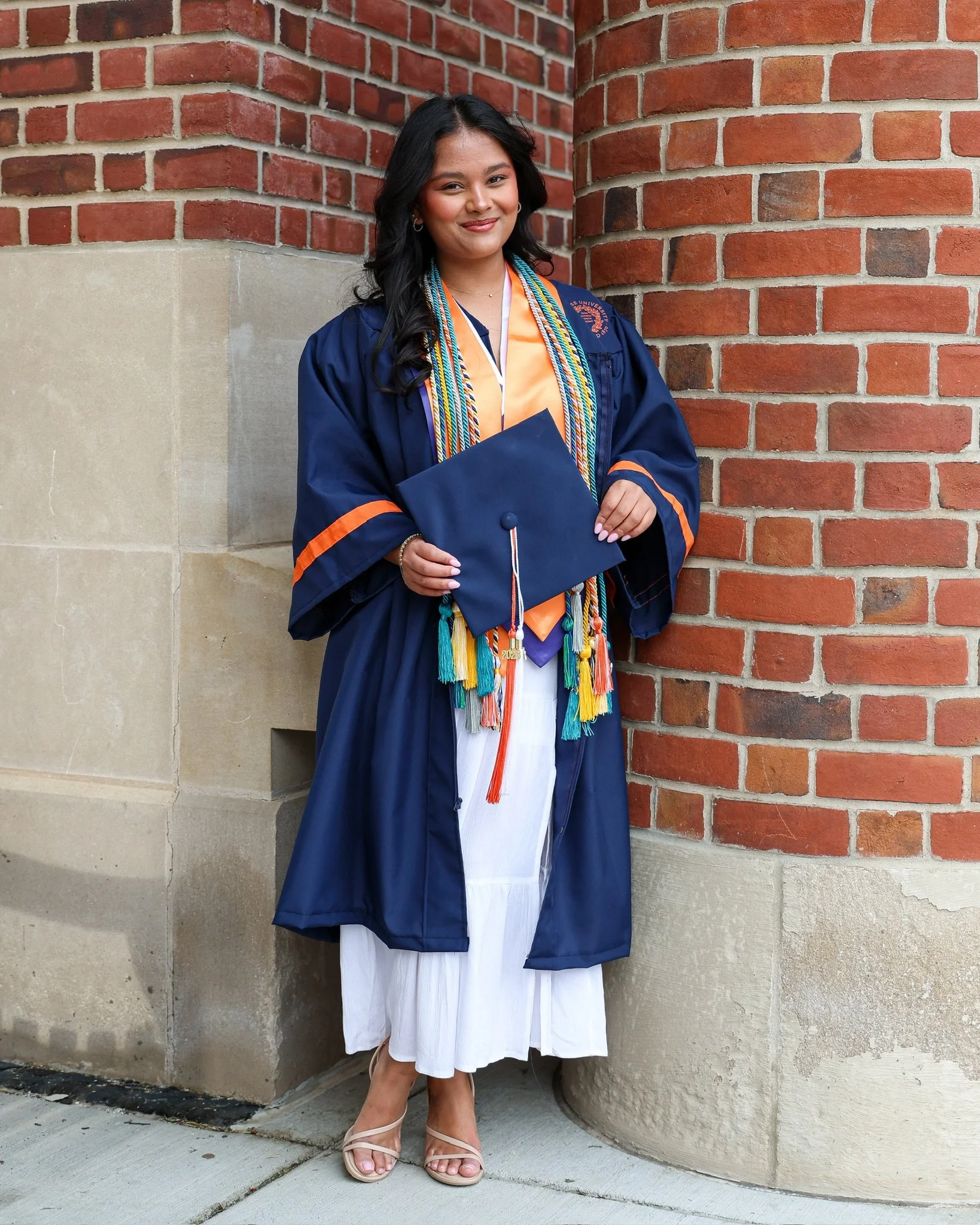
I recently graduated from Syracuse University (Go Orange!) and my first job is at an adoption agency which has given me an entirely different perspective on my own story, while also reminding me that there is no point at which I am supposed to have it all figured out. My understanding of my own adoption isn't necessarily something I will figure out once and then leave behind. My understanding of myself is changing. New experiences bring old questions back to the surface, and I’m gaining language for something I couldn't articulate before.
My mentor wasn’t there to convince me to think more critically about adoption, or move me toward a particular understanding of my own story. They were there to make room for me to figure that out for myself.
My mentor could understand something about my experience because she was an adoptee, while my mothers could give me something no mentor could: the experience of being my parents.
The reality is, I needed both.
I can love my mothers deeply and still have complicated feelings about adoption. I can feel grateful for the family I grew up in and still have questions about the parts of my story I don't know. I can have had a positive adoption experience and still encounter feelings that are difficult, confusing, or even painful.
These feelings can exist alongside each other.
My mothers made sure I knew I had a home where I could talk about adoption.
The Adoptee Mentoring Society helped make sure I knew I wasn't the only one.
AMS Private Mentoring Space Policy
AMS asks parents and caregivers of minor mentees to provide a private space for their child during mentoring sessions. We believe this gives adoptees room to speak openly, explore their adoption experiences, and connect with a mentor who understands adoption through lived experience.