
AMS Brings Adoptee-Led Research to the Global Stage at ICAR9
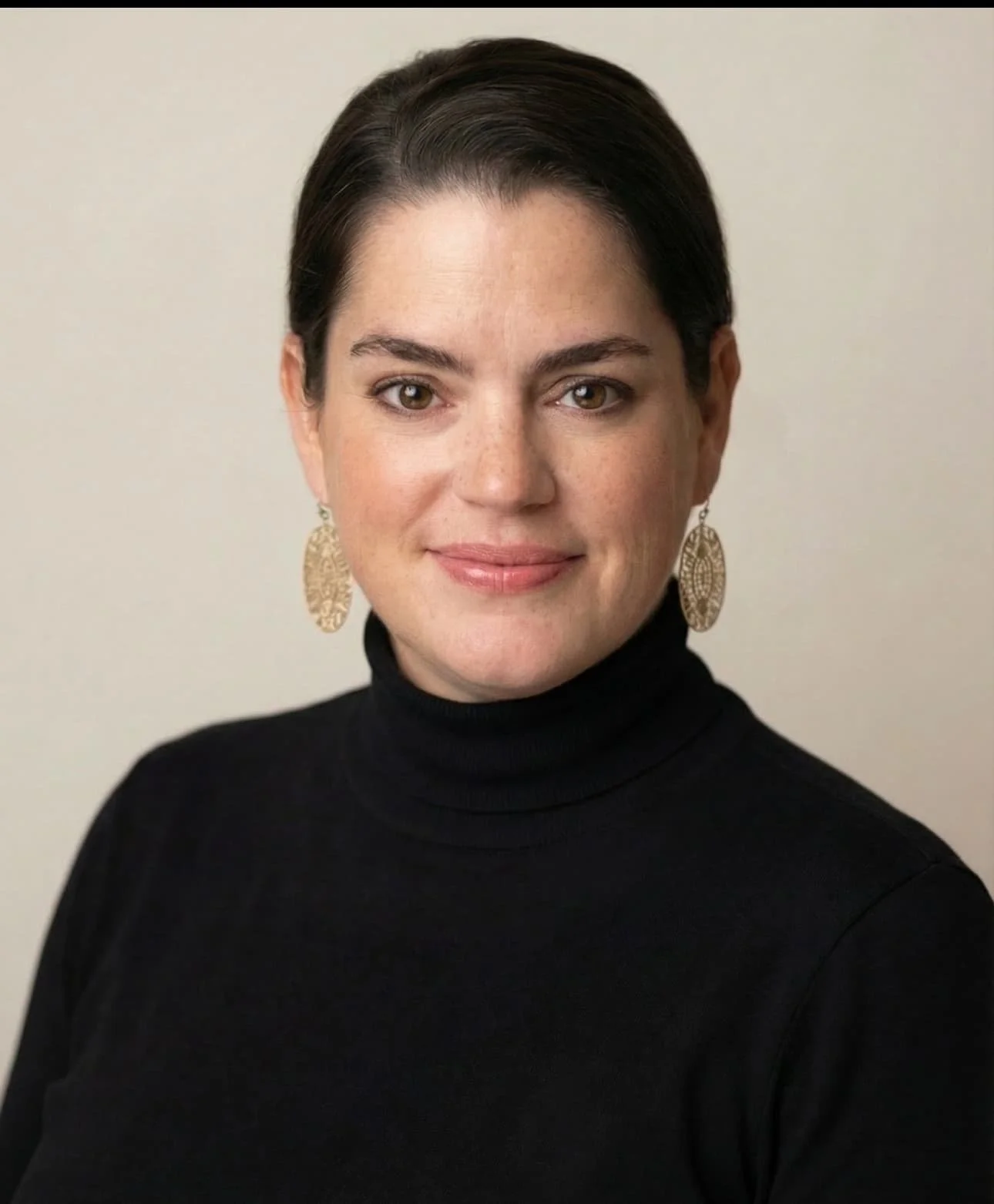
Dr. Ashley Toland, Assistant Professor, Department of Social Work, University of West Florida & AMS Programs Committee Chair
PORTO, PORTUGAL — The Adoptee Mentoring Society (AMS) brought adoptee-led research and community-building to the global stage at the 9th International Conference on Adoption Research (ICAR9) in Porto, Portugal. The international conference brought together researchers, practitioners, and advocates from around the world to advance understanding of adoption and its lifelong impact.
For AMS, the conference represented something particularly important: adoptees are increasingly shaping the research, conversations, and practices that affect their lives.
In fact, the work began before I even arrived in Porto.
While waiting to board my flight in Gulf Shores, Alabama, a woman approached my daughter after noticing the AMS sweatshirt she was wearing. She shared that she was traveling to visit her adopted son. Moments later, another woman standing nearby turned around, pointed to her teenage sons, and shared that they had joined her family through foster care.
Just like that, I found myself talking about AMS, adoption research, ICAR, and why adoptee community matters so deeply.
Adoptees are everywhere. Sometimes all it takes is making that connection visible for the stories—and the community—to find us.
Creating Space for Adoptee Researchers
One of the highlights of ICAR9 was helping create the first adoptee researcher dinner, alongside my colleague Maureen Boyle of Utah State University. Generously sponsored by Elsbeth Neil and the Rudd Foundation, the gathering brought together adoptee researchers from the United States, New Zealand, Greece, Canada, the United Kingdom, and beyond.
There was something powerful about having so many adoptee researchers in one room—people whose scholarship spans the many dimensions of adoption, while also bringing their own lived experience to the work.
At AMS, we know there is a unique power in bringing adoptees together. This dinner offered that same opportunity within the research community: a space to connect, exchange ideas, build relationships, and imagine what becomes possible when adoptees are not simply subjects of research, but researchers and leaders shaping the questions themselves.
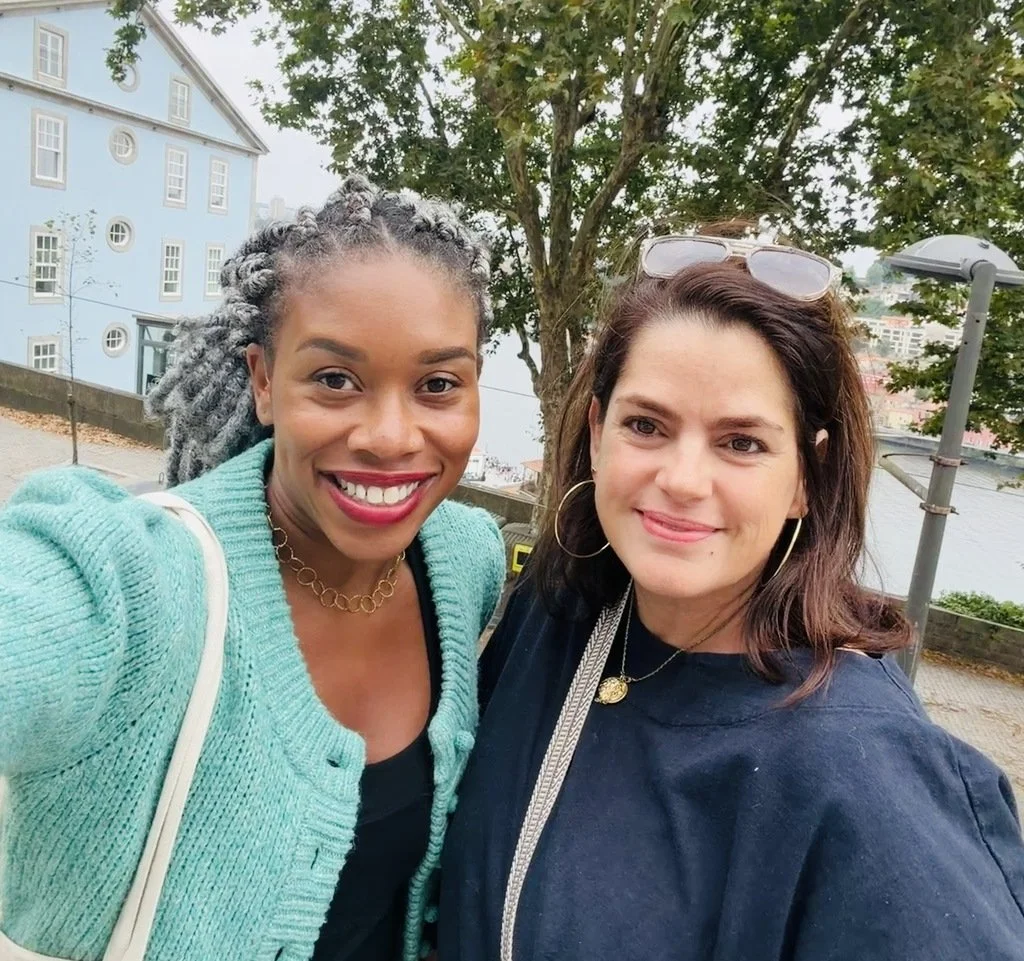
Angela Tucker & Dr. Toland stand together in Porto, Portugal.
Adoptee-Led Research Is Growing
Throughout ICAR9, it was inspiring to see adoptees contributing their lived experience and scholarship across the conference. The momentum toward more adoptee-led research, collaboration, and knowledge-sharing is unmistakable.
For AMS, this work aligns closely with our mission to create meaningful opportunities for adoptees to connect, learn from one another, and help shape the systems and services that affect their lives.
The conversations that began in an airport line and continued around a dinner table in Porto reminded me why this work matters.
Adoptee community is not an accessory to adoption research. It is part of the foundation.
As the field of adoption research continues to evolve, AMS is proud to support a future in which adoptees are not only included in the conversation, but are helping lead it.
— Dr. Ashley Toland, Assistant Professor, Department of Social Work, University of West Florida & AMS Programs Committee Chair
